
CLR (Covered Lagoon Reactor)
Technology for the anaerobic digestion of liquid wastewater
Table of contents
What the CLR is and what it is used for
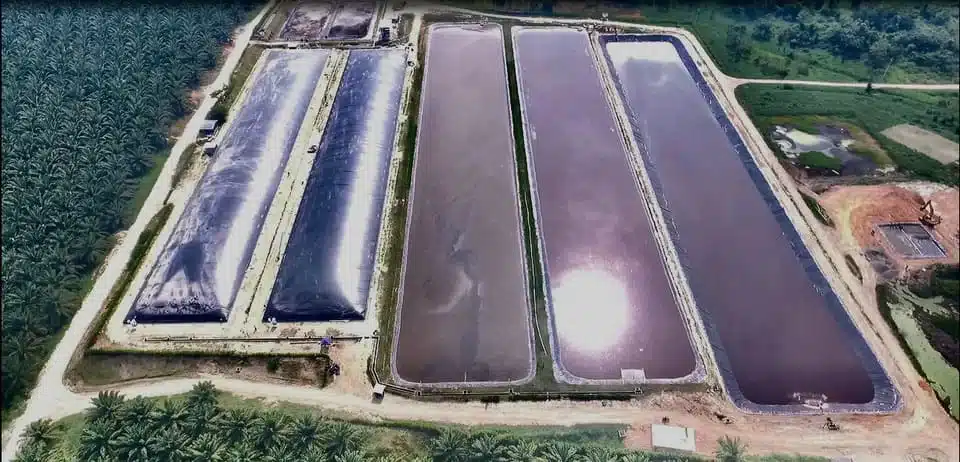
The CLR (Covered Lagoon Reactor) is a technology designed for the anaerobic digestion of large volumes of liquid effluents.
The CLR is mainly used for wastewater treatment and the management of liquid waste and by-products in the industrial and agri-food sectors.
The process is characterised by a low dry substance content and a low fibre content. It is based on large-volume tanks, equipped with a membrane at the bottom to prevent wastewater seepage into the soil and a gasometer cover for biogas collection. Anaerobic digestion takes place with variable retention times ranging from 25 to 50 days, under psychrophilic or mesophilic temperature conditions, depending on the characteristics of the incoming biomass.
Discover how to integrate CLR technology into your company
How does the CLR work

Advantages of the CLR
The CLR offers the following advantages:
- Efficient handling of high-volume streams: the CLR is designed to treat large quantities of biomass, optimising on-site processing capacity
- High buffering capacity when digesting acidic biomass, especially in mono-digestion applications
- Low energy costs for mixing, thanks to a design that ensures efficient mixing with low energy consumption
- Flexibility in managing seasonal biomass, such as POME (palm oil mill effluent) or vinasse (effluent from sugar mills or sugarcane distilleries)
Lagoons are therefore suitable for receiving liquid effluents from industrial and agro-industrial sectors, such as POME, vinasse, sugar-industry filter cake, and effluents from cassava processing.
Pome
Vinasse
Manioca
How the CLR works
The CLR has a simplified configuration consisting of a large tank, often referred to as a “lagoon”, fitted with a gasholder cover for collecting the biogas. The gas produced is captured by the gasholder, filtered to remove impurities, and sent to a cogeneration unit or upgrading plant.
Thanks to its large volume, it can handle the high flow rates typical of industrial processes, ensuring the biological stability required for efficient anaerobic digestion. The reactor capacity is designed to accommodate variable biomass flows while maintaining a stable process even when the quantity and quality of the materials treated change.
CLR are suitable for optimising the treatment of agricultural waste and, above all, waste from the food industry and the palm oil production process.

DRY SUBSTANCE
DS < 5% and low fibre content

THERMAL REGIME
Psychrophilic or mesophilic

HYDRAULIC RETENTION TIME
25 < days < 50

MIXING SYSTEM
Mechanical (mixers)
Pneumatic (compressor)
Hydraulic (recirculation pumps)
Biogas from palm oil
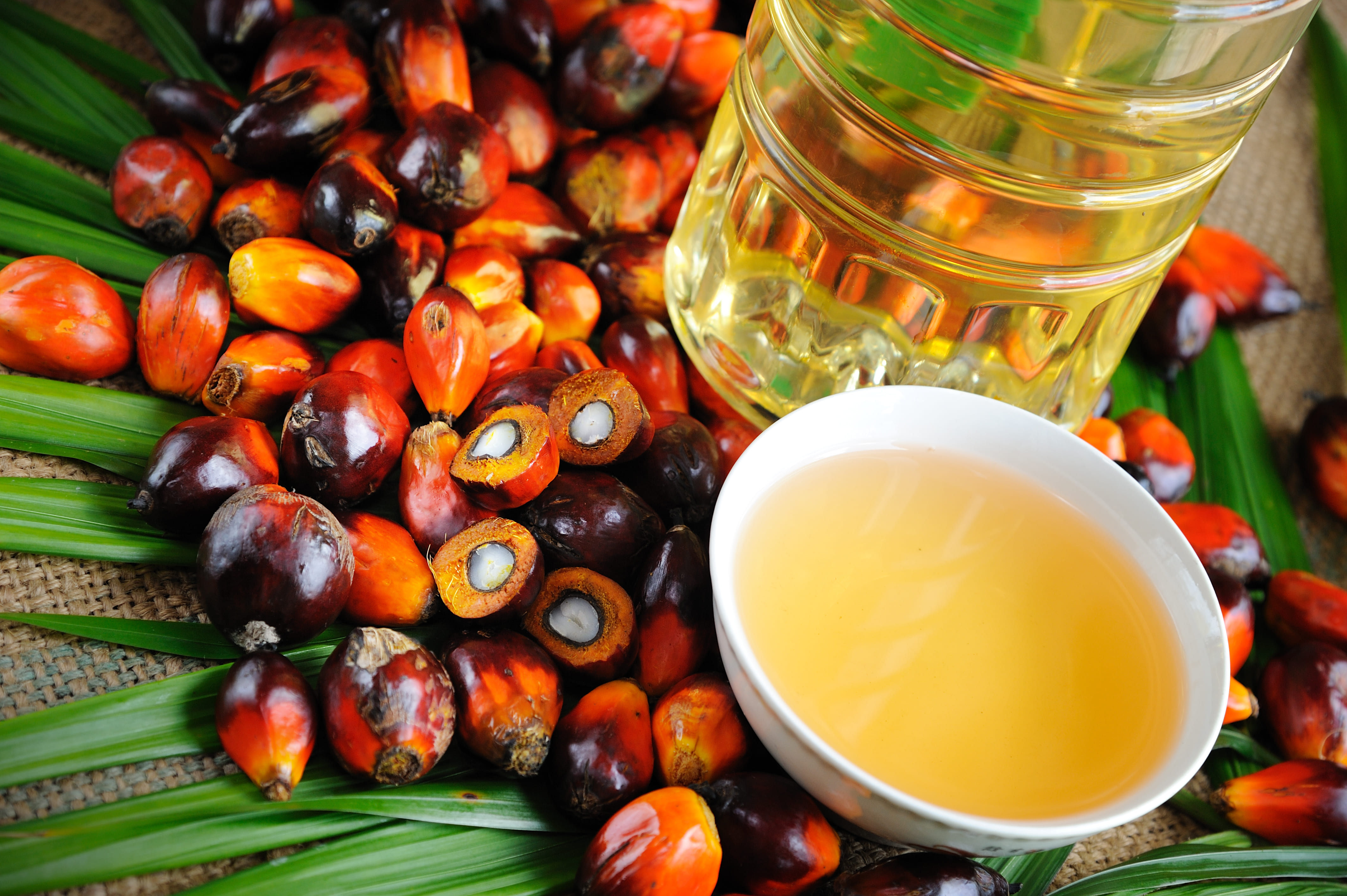
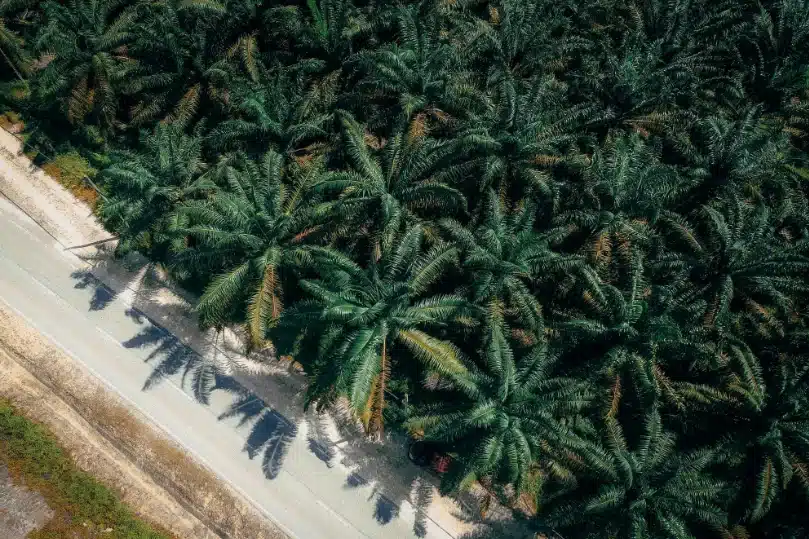
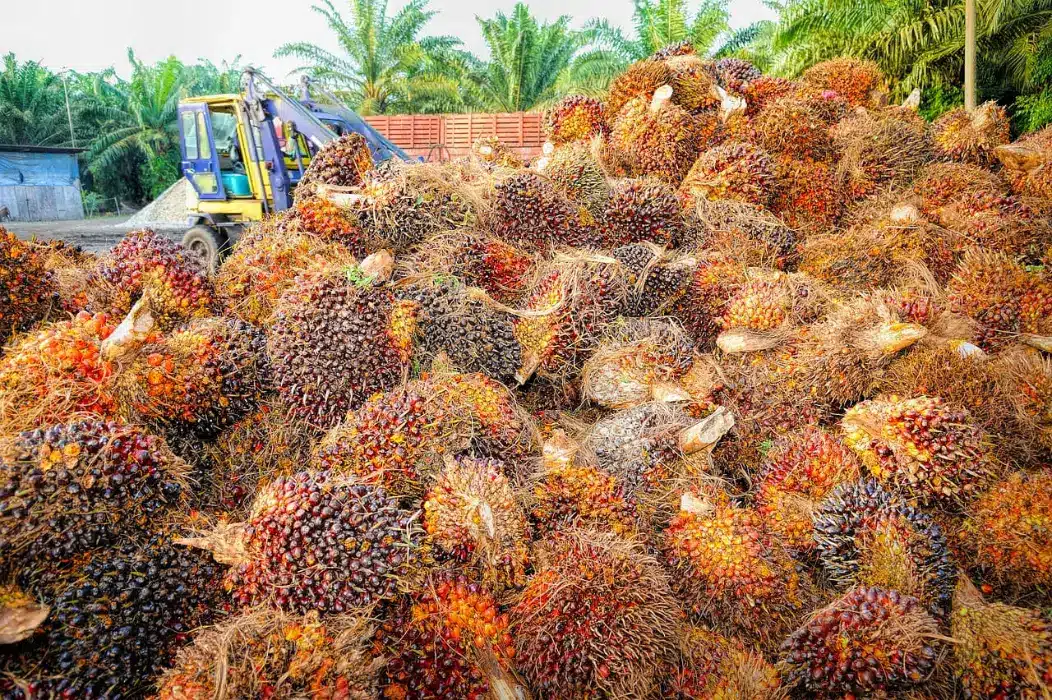
Oil palm plantations are located in tropical regions where large areas of land are available; for this reason, the world’s leading producers are Indonesia, Malaysia, Thailand, Colombia, and Nigeria. The process of extracting oil from fresh fruit bunches (FFB) generates large quantities of effluent rich in organic substance which, if not properly treated, poses an environmental threat. Lagoon technology enables the recovery of waste from palm oil production and the generation of sustainable energy.
Produce biogas from palm oil
Get More Information
Submit your request and we will get back to you by email or phone as soon as possible.
* All fields are required.