
Biogas plants for agricultural companies
Agricultural biogas plant
Installing an agricultural biogas plant is a sustainable investment that provides an additional, steady source of income.
This solution enables farmers and agri-food businesses to maximize the value of biomass generated by agricultural activities, livestock farming, and food processing operations.
An agricultural biogas or biomethane plant promotes synergies with local communities, enhances the value of farming activities, and optimizes energy production.
The main types of biomass that can be used include:

Agricultural by-products
Straw, leaves, corn cobs, and agri-food waste (tomato skins, olive pomace, grape pomace)

Energy crops

Animal manure
Calculate your biomass potential
Enter your data to get an initial estimate of biogas or biomethane production.
Simulation completed
Thank you for completing the simulation. The results of your assessment have been sent to the email address you provided.
Tailor-made biogas plants for farms
Each agricultural plant is designed and adapted to the customer’s specific requirements and the characteristics of the available biomass.
The process we follow to prepare the technical and commercial proposal and subsequently design the biogas or biomethane plant consists of several stages:
- Biomass analysis: based on the available quantities and types, we determine their biomethane potential and the plant capacity best suited to the farm
- Sizing of the CSTR or PFR reactor, according to the characteristics of the biomass
- Implementation of pretreatment systems: such as sanitisation, pasteurisation and grit removal, depending on the complexity of the feedstocks
- Post-treatment technologies to valorise the digestate and recover nutrients such as nitrogen.
Environmental benefits of an agricultural biogas plant
Integrating a biogas or biomethane plant into the farm enables more efficient management of farm effluents, converting them into energy and reducing disposal costs.
The main environmental benefits include:
- Decarbonisation: self-generated energy, energy fed into the grid, or the use of biomethane in transport reduces reliance on conventional non-renewable energy sources
- Emission reduction: anaerobic digestion prevents methane (CH4) from being naturally released into the atmosphere, helping to reduce the CO2-equivalent emissions generated by effluents
- Digestate valorisation: used as a natural fertiliser, digestate replaces synthetic chemical products and improves soil fertility.
Economic benefits of an agricultural biogas plant
An agricultural biogas plant delivers a range of economic benefits:
- Additional revenue stream: the biogas plant generates electricity, heat or biomethane, providing the farm with an additional source of income
- On-site energy use: using the energy produced by the biogas plant on site helps meet the farm’s energy demand and reduce energy procurement costs
- Profitable circular model: the plant creates a virtuous cycle that optimises available resources while delivering economic and environmental benefits for the farm and the local area.
Do you have biomass to valorize?
Our projects: biogas plants for farms
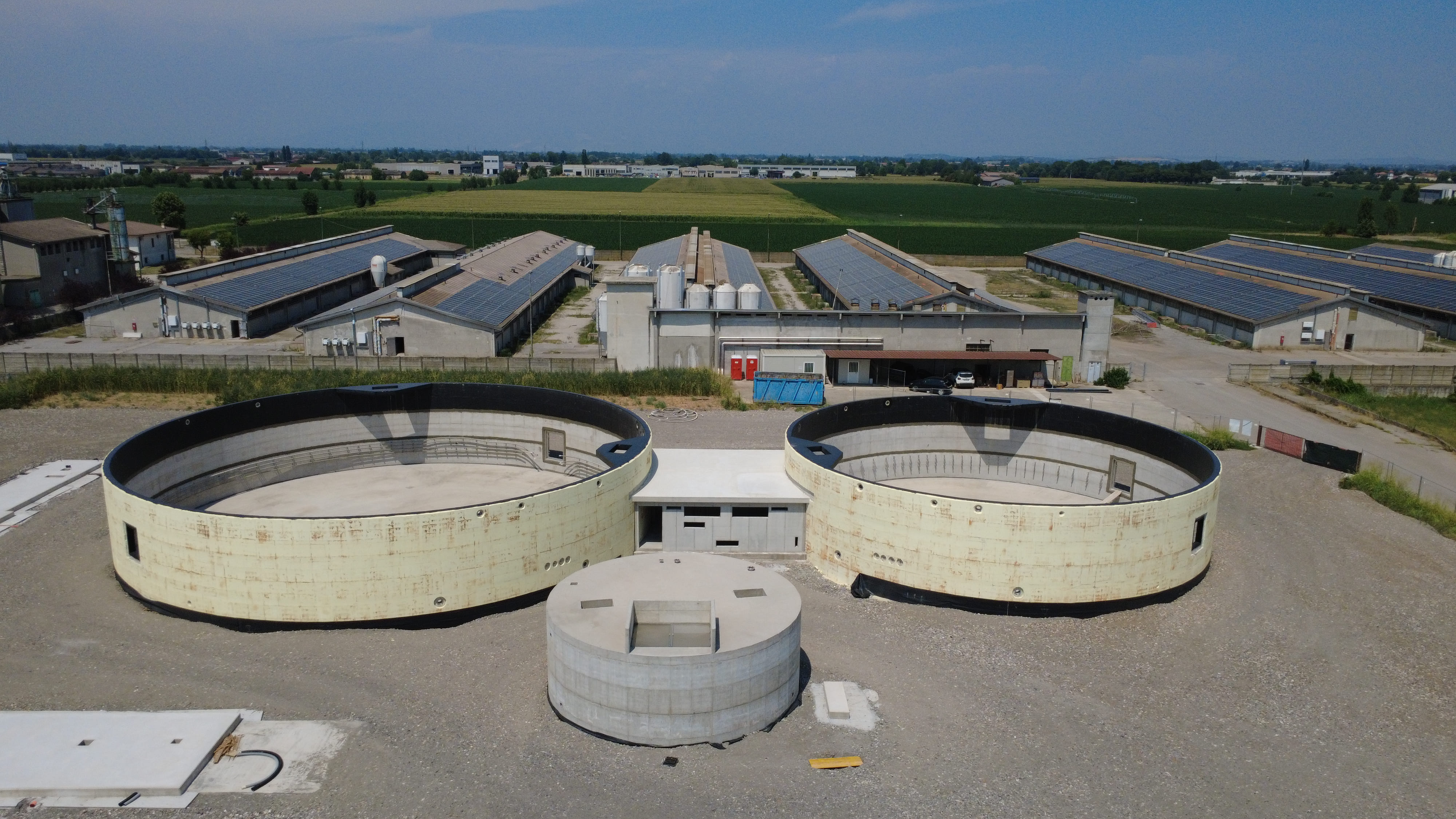
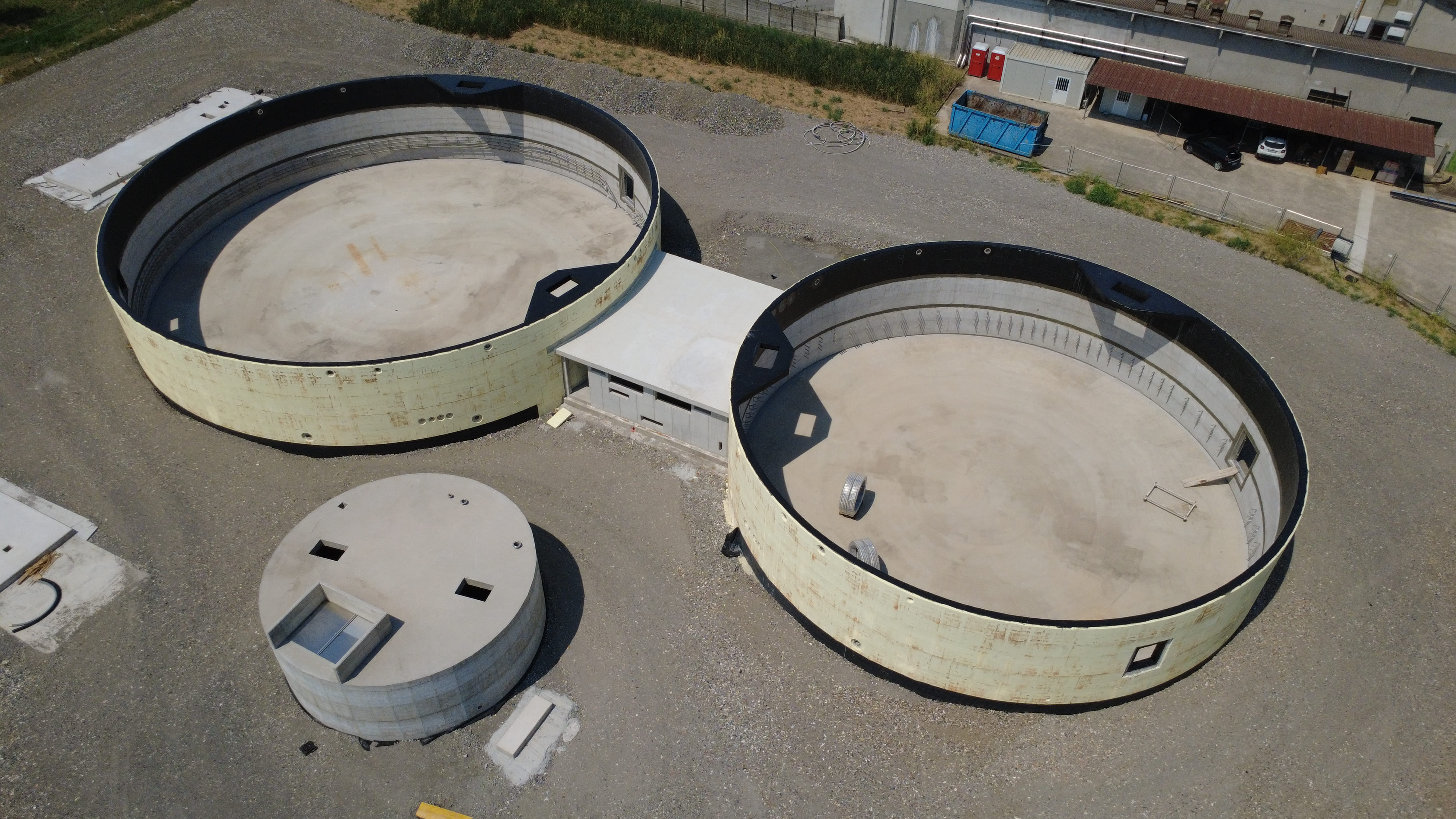
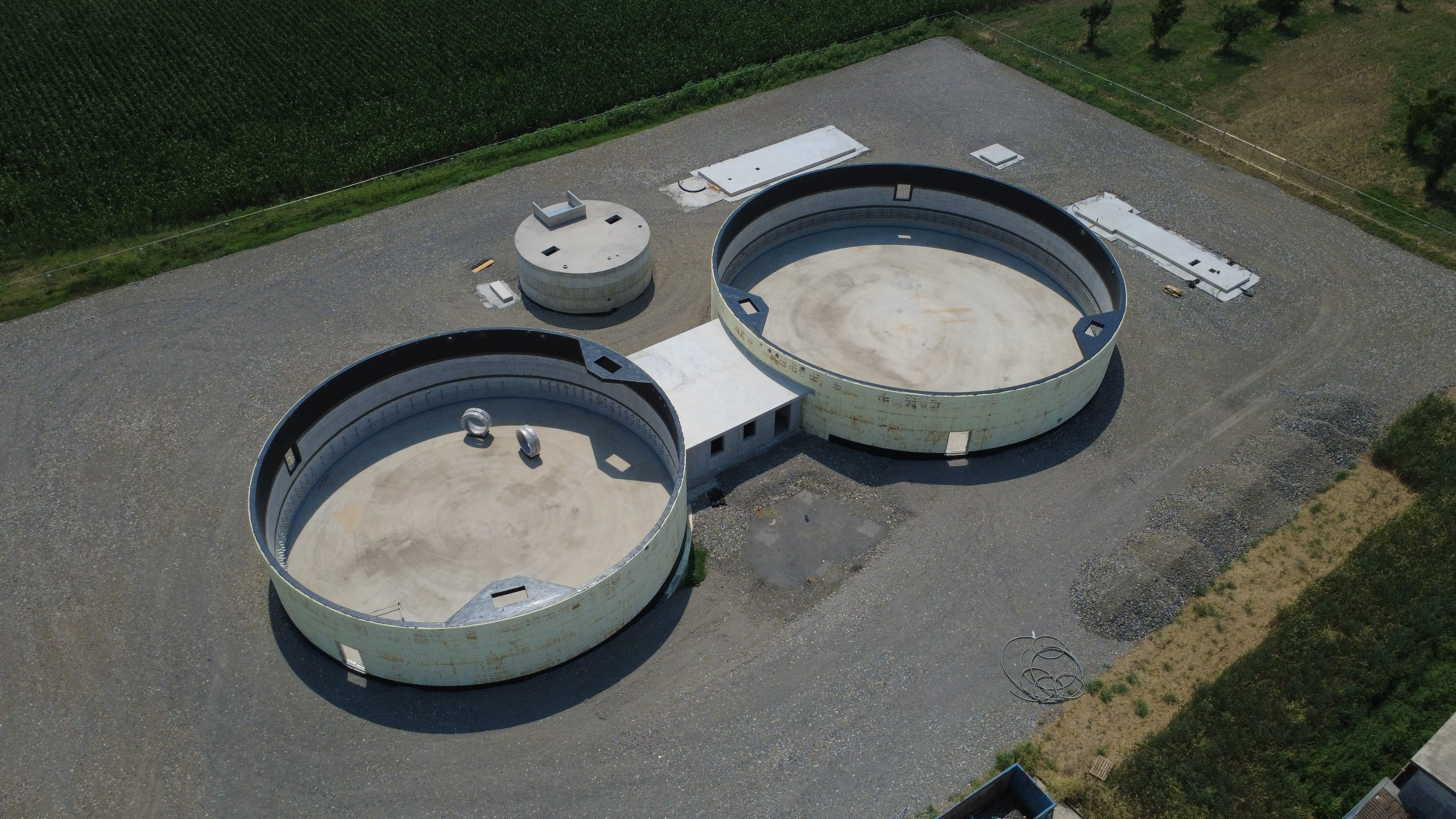
COLOMBAIE
Location: Visano (Brescia)
Year of installation: under construction
Feeding: cattle slurry and manure
Installed power: 300 kW

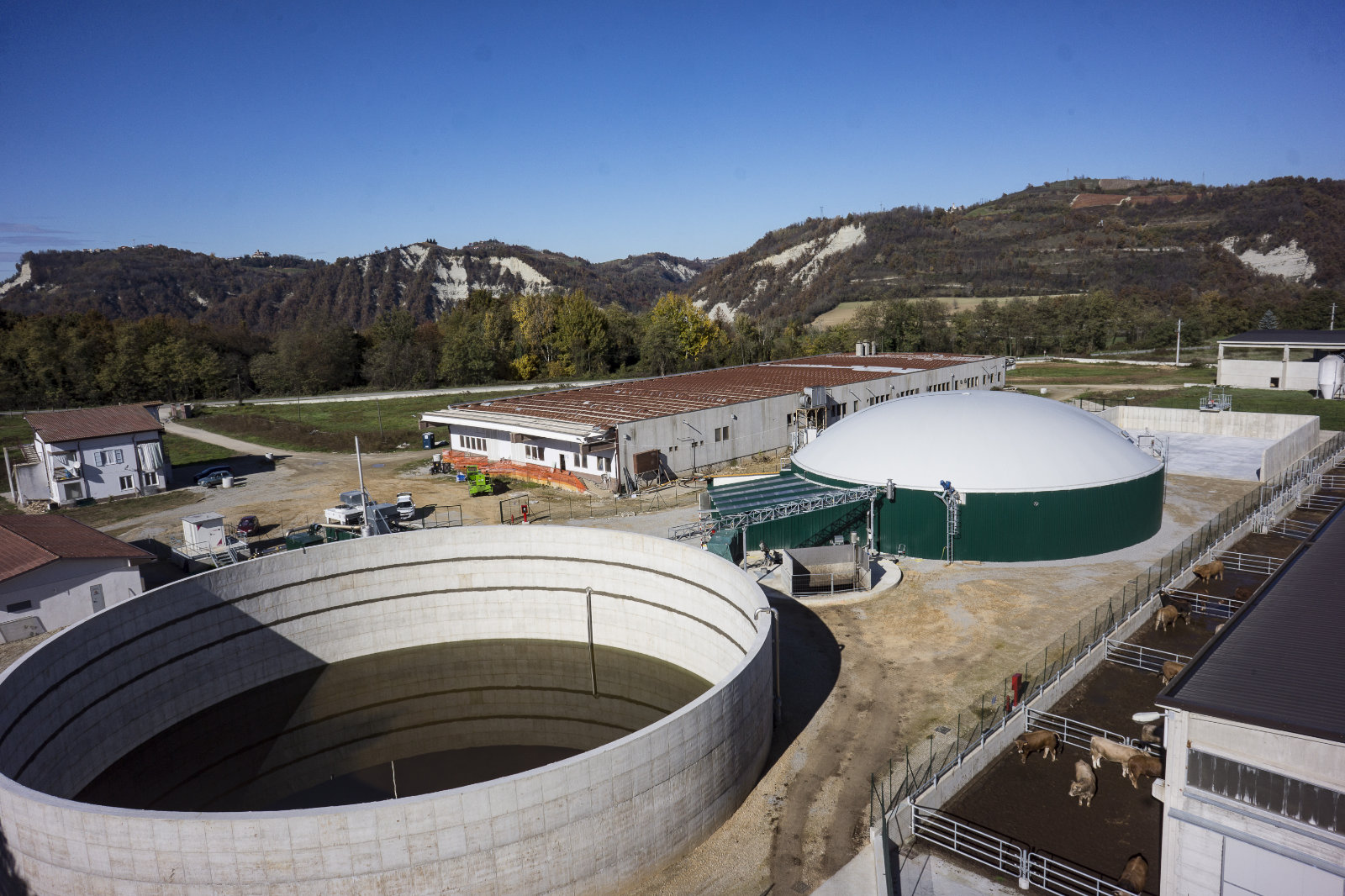
DEBO
Location: Niella Tanaro (Cuneo)
Year of installation: 2015
Feeding: slaughterhouse by-products and waste
Installed power: 300 kW
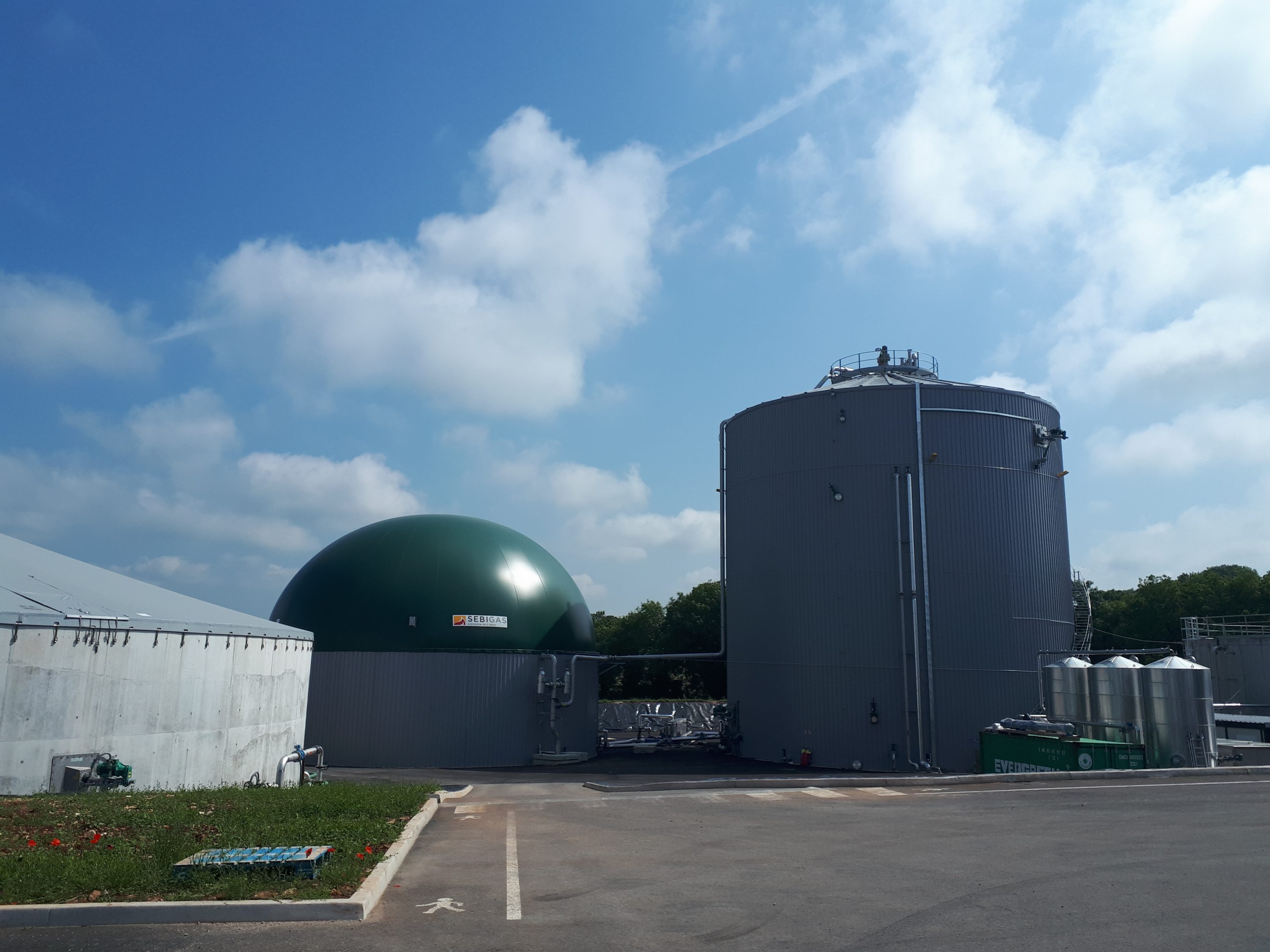

BIOQUERCY
Location: Gramat (France)
Year of installation: 2018
Feeding: cattle slurry, slaughterhouse waste, expired food products, brewery by-products and whey
Installed Power: 1,800 kW
Get More Information
Submit your request and we will get back to you by email or phone as soon as possible.
* All fields are required.