
Industrial biogas plants
Industrial biogas plants: a solution for energy-intensive sectors
Industrial biogas plants offer a valuable opportunity for energy-intensive industries. Integrating a biogas or biomethane plant enables organic waste and process effluents to be converted into energy, reducing disposal costs and improving the sustainability of production processes.
Agri-food companies generate large volumes of by-products and effluents, which are often costly to manage and dispose of. SEBIGAS industrial biogas plants enable these feedstocks to be valorised by converting them into energy resources.
The main feedstocks for an industrial biogas or biomethane plant include:

Dairy and cheese-processing waste

Effluents from breweries, distilleries and soft-drink manufacturers

Sugar-industry by-products and waste

Paper-mill waste and effluents

Wastewater and organic waste from the meat-processing industry
Do you have industrial effluents to valorise?
How biogas plants work in industry
Anaerobic digestion is at the core of biogas technology: a biological process that converts organic waste into biogas and digestate.
Based on the characteristics of the available feedstocks, we select the most suitable technology:
- CSTR for feedstocks with a dry substance content of up to 10%
- CLR for large volumes of liquid effluent, primarily from the agri-food industry
The renewable energy generated can be exported to the national electricity grid or used directly on site to meet the energy demand of production processes. In biomethane plants, an upgrading system purifies the raw biogas to produce biomethane suitable for injection into the gas grid or use as a transport fuel.
Each industrial biogas plant is custom-designed, starting with a technical analysis of the available biomass, waste effluents, and the company’s energy requirements.
Environmental benefits of an industrial biogas plant
Installing a biogas plant optimises the management of industrial organic waste and effluents by converting them into energy and reducing greenhouse-gas emissions.
The main environmental benefits include:
- Effluent valorisation: less waste requiring disposal and increased renewable-energy production
- Reduction of greenhouse-gas emissions: anaerobic digestion prevents the release of methane (CH₄) into the atmosphere.
- Digestate production: a by-product that can be used as an organic fertilizer in agriculture.
The construction of a biogas plant is a concrete step toward a circular and sustainable model.
The economic benefits of industrial biogas plants
SEBIGAS industrial biogas plants also represent a significant economic opportunity for companies with high energy consumption.
The main economic benefits include:
- Energy self-consumption: the energy produced can cover part or all of the company’s production energy needs
- Grid injection: the generated electricity or biomethane can be sold to the grid under incentive tariffs, determined according to the government regulations in force at the time of project development
- Heat recovery: the recovered heat can be used for industrial processes or facility heating
- Waste disposal cost reduction: the less waste that needs to be sent to third-party disposal facilities, the greater the savings
An investment that combines energy efficiency, competitiveness, and sustainability.
Discover how to integrate an industrial biogas plant into your company
Our Projects: Biogas plants for industry
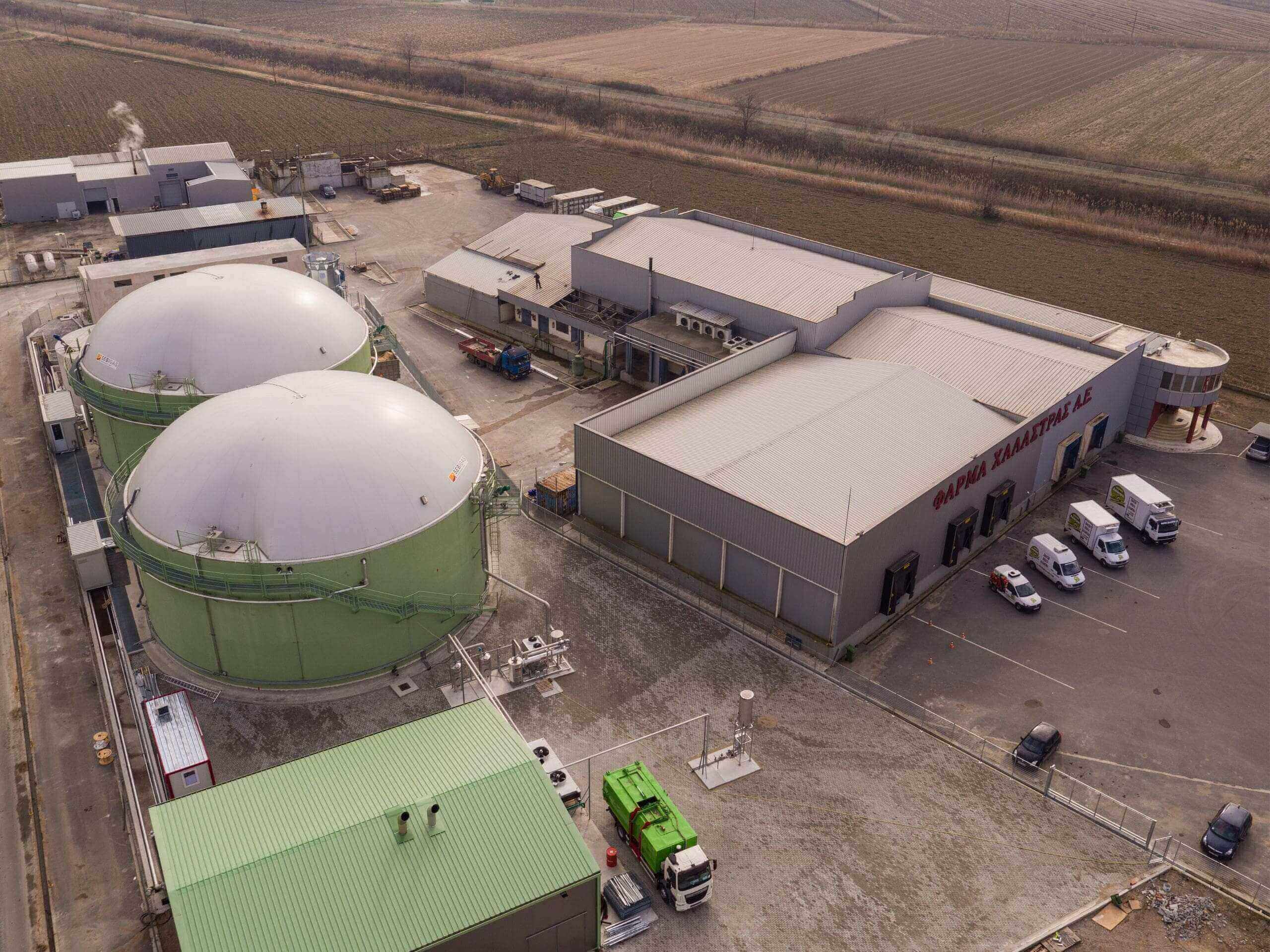
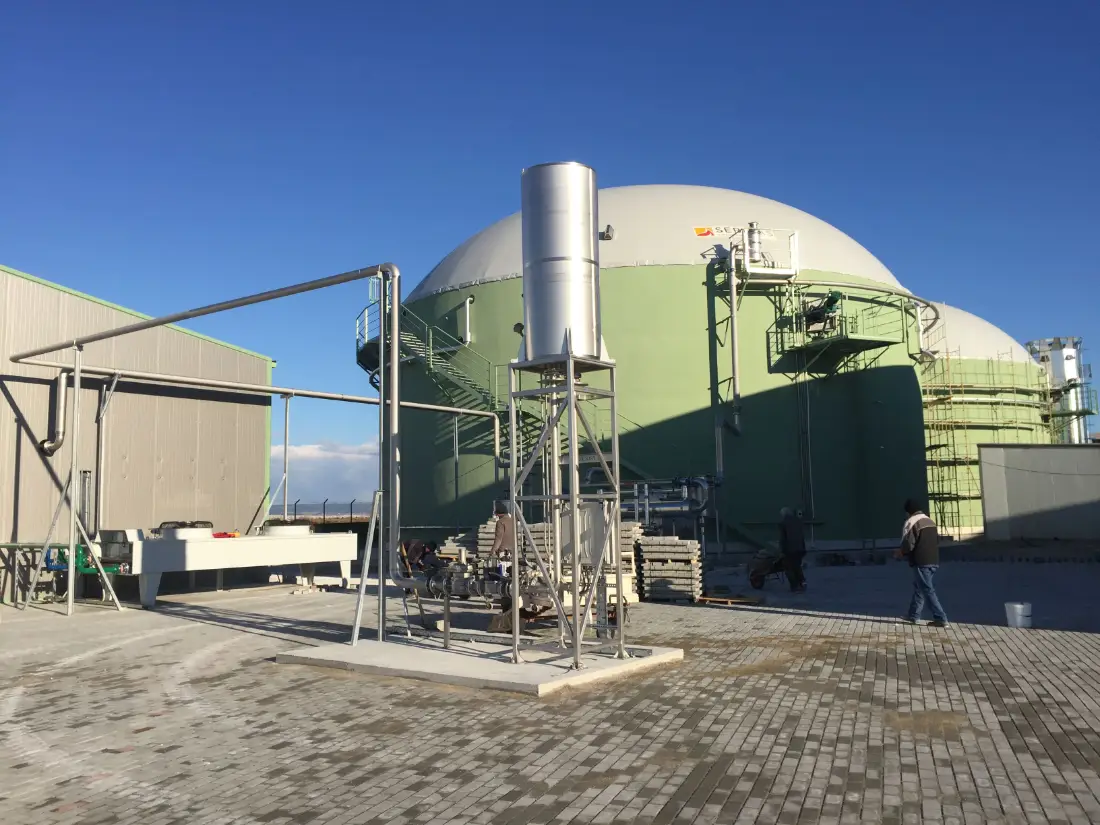
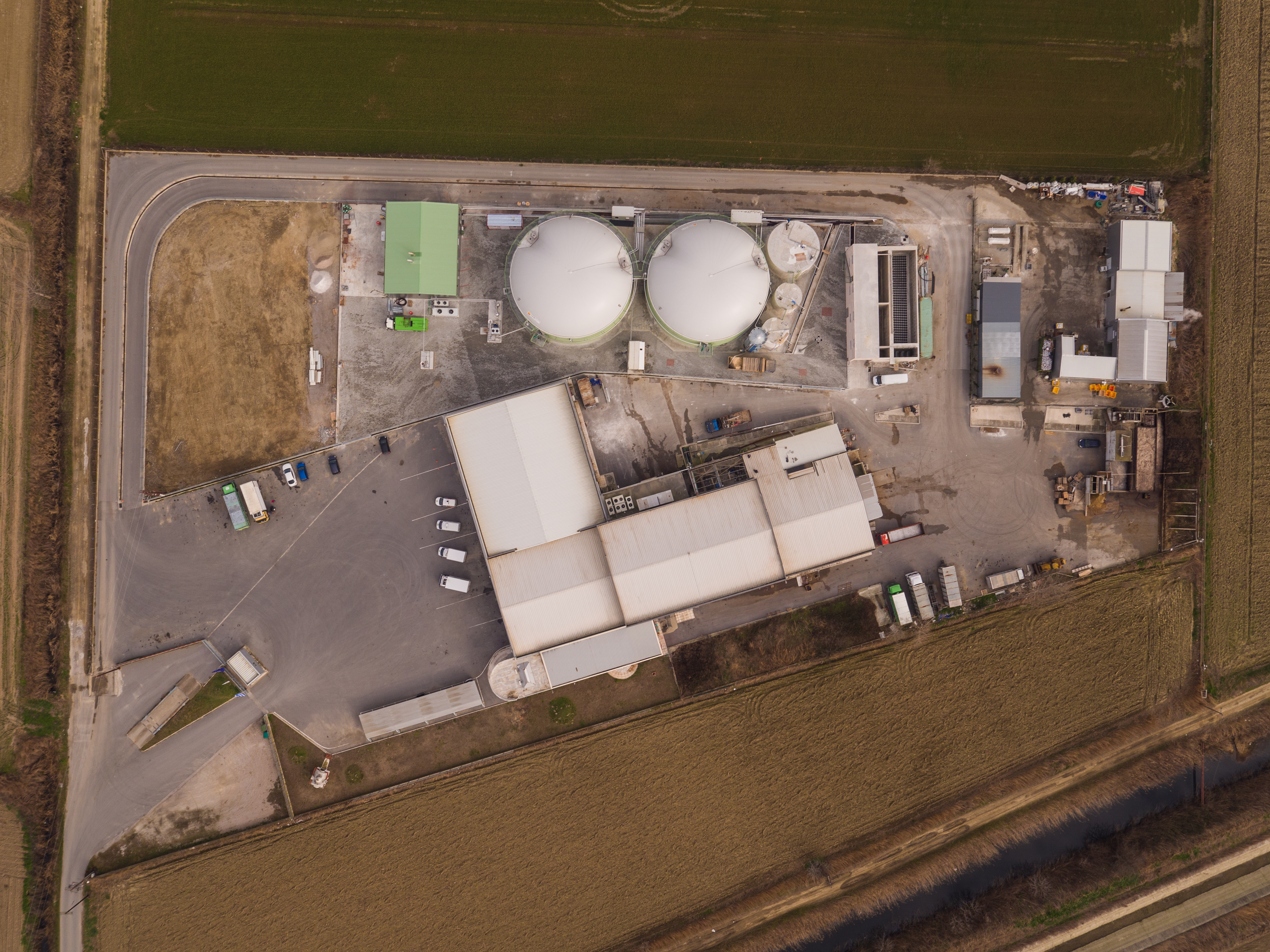
FARMA HALASTRAS
Location: Thessaloniki (Greece)
Year of installation: 2018
Feeding: cattle slurry, slaughterhouse waste, expired food products, brewery by-products, whey
Installed power: 1 MW
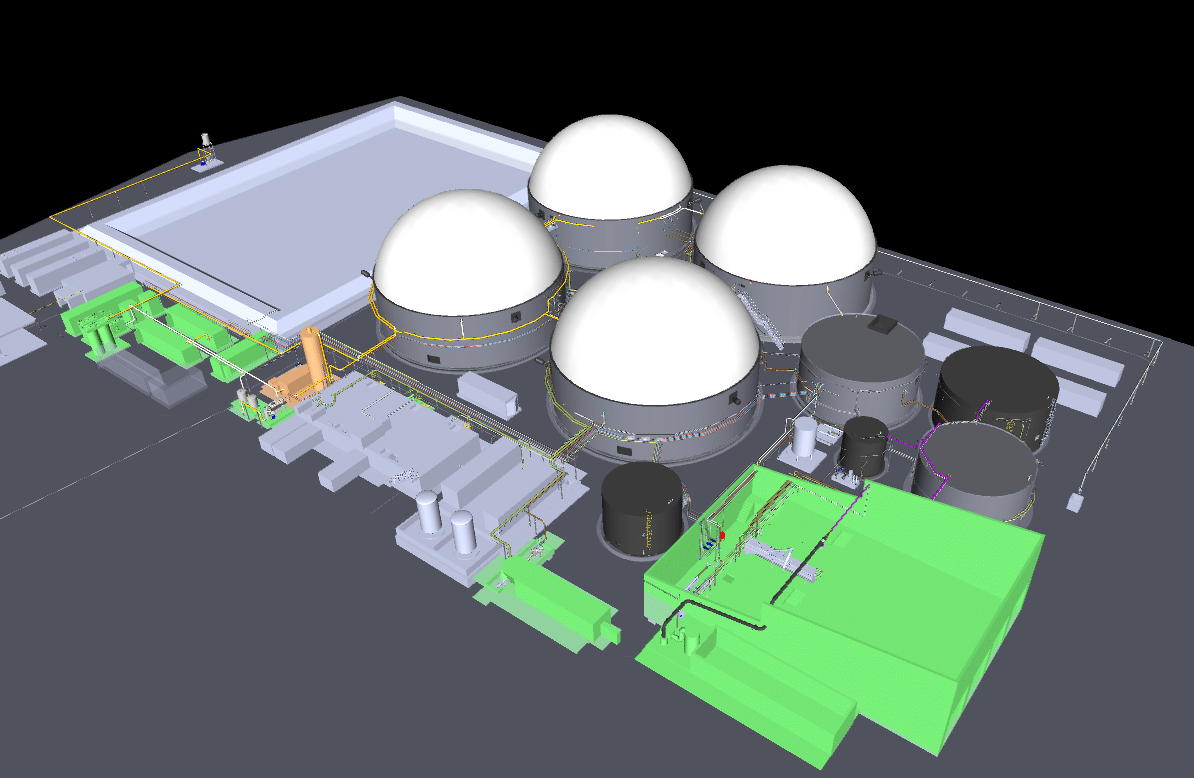
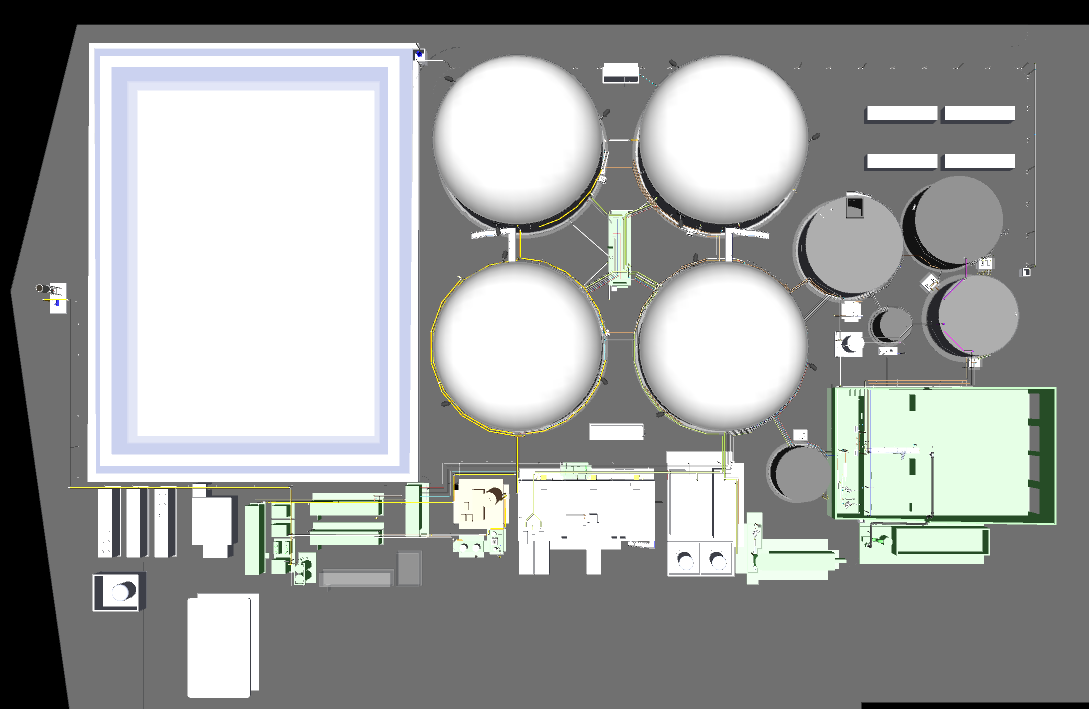
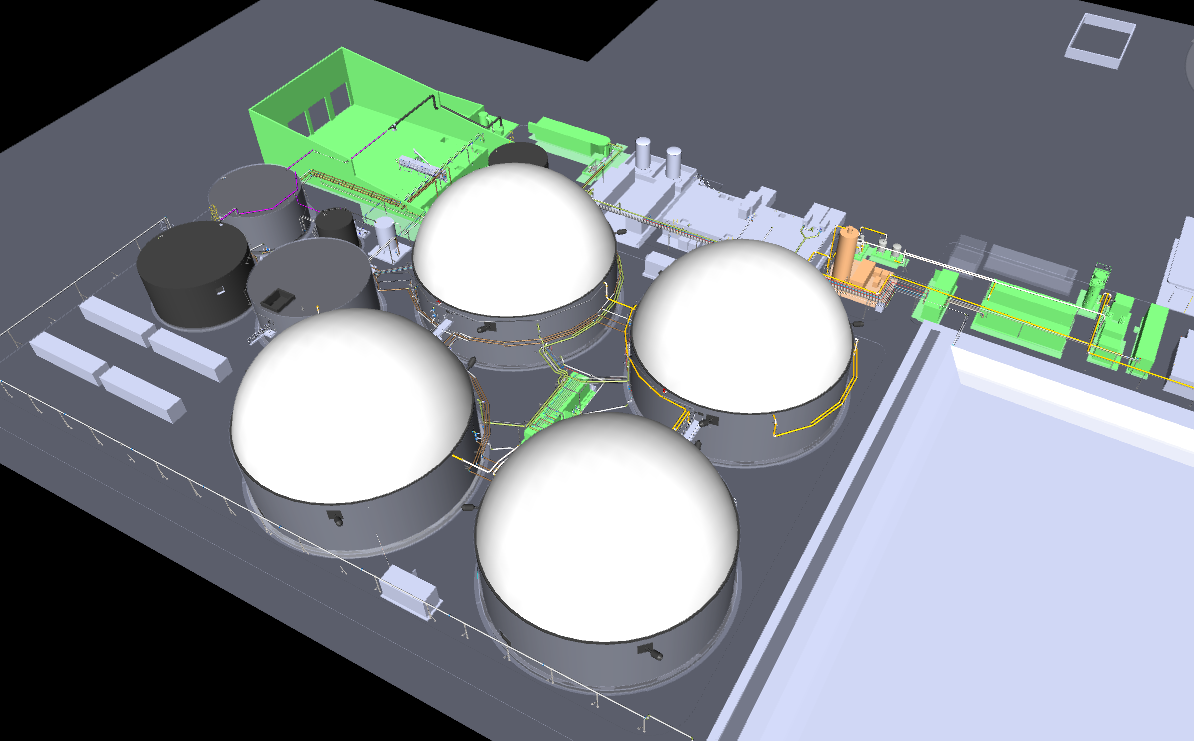
LOS CIRUELOS
Location: San Clemente (Chile)
Year of installation: under construction
Feeding: poultry manure, fruit and vegetable waste, sludge, agri-food by-products
Biomethane Production: 700 Sm³/h
Get More Information
Submit your request and we will get back to you by email or phone as soon as possible.
* All fields are required.